Signal Graveyards: Inside the Strange World of People Who Resurrect Dead Broadcast Stations

Photo by Photo by snap wander on Unsplash on Unsplash
Every dead broadcast station has a last transmission. A final sign-off. Sometimes it's ceremonial — a station that's been on the air for fifty years will put together a little retrospective, play some classic clips, let the longtime DJ say goodbye on-air. More often, it's nothing. The signal just stops. One moment the frequency is occupied; the next, it isn't. The tower stays standing. The equipment might sit in a locked room for years. But the voice is gone.
Most people never think about this. A small, deeply committed group of people thinks about almost nothing else.
The Archaeology of Abandoned Frequencies
Calling it a subculture might be generous — it's more like a scattered constellation of obsessives who found each other online. Some are former broadcast engineers who can't quite let go. Some are media historians who got frustrated with how poorly documented local broadcasting history is. Some are artists who find the aesthetics of obsolete infrastructure genuinely moving. And some are just people who, for reasons they can't fully articulate, feel compelled to understand what happened to a station that used to exist.
The work they do is part technical, part archival, part detective story. A typical project might start with nothing more than a call sign — WKBF, say, or KVOA-FM — and a vague memory that the station used to exist. From there, the process involves cross-referencing FCC license databases, tracking down old issues of Broadcasting magazine (a trade publication that documented the industry for decades), and sometimes cold-calling former employees who are surprised and occasionally moved that anyone still cares.
The technical side is where things get genuinely specialized. These researchers want to know not just that a station existed, but how it existed. What transmitter model did it use? What was its antenna configuration? What frequency did it drift to when the equipment got old? Some of them build replica setups — not to actually broadcast, but to understand the signal characteristics well enough to recognize them if they ever surface in an archival recording.
The Final Transmission Problem
There's a particular fixation within this community on what you might call the final transmission problem. When a station goes dark, its last broadcast is almost never intentionally preserved. It wasn't considered important at the time. The staff was focused on logistics — what happens to the equipment, who gets paid, where everyone goes next. Nobody thought to hit record.
So these researchers go looking. They comb through the collections of people who used to record off-air for personal use — a surprisingly common practice before streaming made it unnecessary. They dig through university media archives, local historical societies, even storage units that get auctioned off after someone dies. Occasionally they find something. A cassette tape with the last hour of a Cleveland FM station from 1994, recorded by someone who just liked the music and didn't know the station was signing off. A VHS tape that caught the final moments of a UHF channel before it flipped to home shopping.
When they find these things, they share them. The community has built up an informal digital archive — spread across forum threads, shared drives, and a few dedicated websites — that functions as a kind of collective memory for broadcasting history that nobody officially bothered to preserve.
The Legal Gray Areas Nobody Talks About Enough
Here's where things get complicated. Most of the content in these archives is technically under copyright. A radio station's broadcasts belong to the station, or to whoever holds the rights after the station closed. In practice, nobody is actively enforcing these rights on recordings of a defunct AM country station from rural Georgia. But the legal exposure is real, and it shapes how the community operates.
Most of the dedicated archivists are careful. They focus on preservation over distribution. They share within the community rather than posting publicly. Some have tried to work with the FCC or the Library of Congress to formally donate materials, with mixed results — the institutional infrastructure for absorbing this kind of hyperlocal broadcast history is limited at best.
A smaller contingent is less cautious. They post freely, argue that abandoned cultural material should be treated as public domain by default, and generally operate on the theory that nobody's going to sue them over a recording of a 1987 traffic report. So far, they've been right. But the legal landscape around broadcasting rights is genuinely murky, and the community knows it.
What Dead Signals Tell Us About Collective Memory
Spend enough time in these communities and a theme starts to emerge that goes beyond technical nostalgia. The people doing this work are grappling with something real about how media shapes memory — and how quickly that memory evaporates when the infrastructure disappears.
Local radio and television stations weren't just entertainment. They were a kind of ambient community presence. They reported on local news that national outlets ignored. They played regional music that never made it to major labels. They carried advertising for businesses that no longer exist, which means they inadvertently documented an entire economic ecosystem. When they went dark, all of that went with them — unless someone was paying attention.
One researcher who focuses on defunct UHF stations in the Midwest put it this way in a forum post that got passed around a lot: "We don't mourn the signal. We mourn what the signal carried. And we're trying to figure out if any of it can be recovered before the people who remember it are gone too."
The Transmitter as Artifact
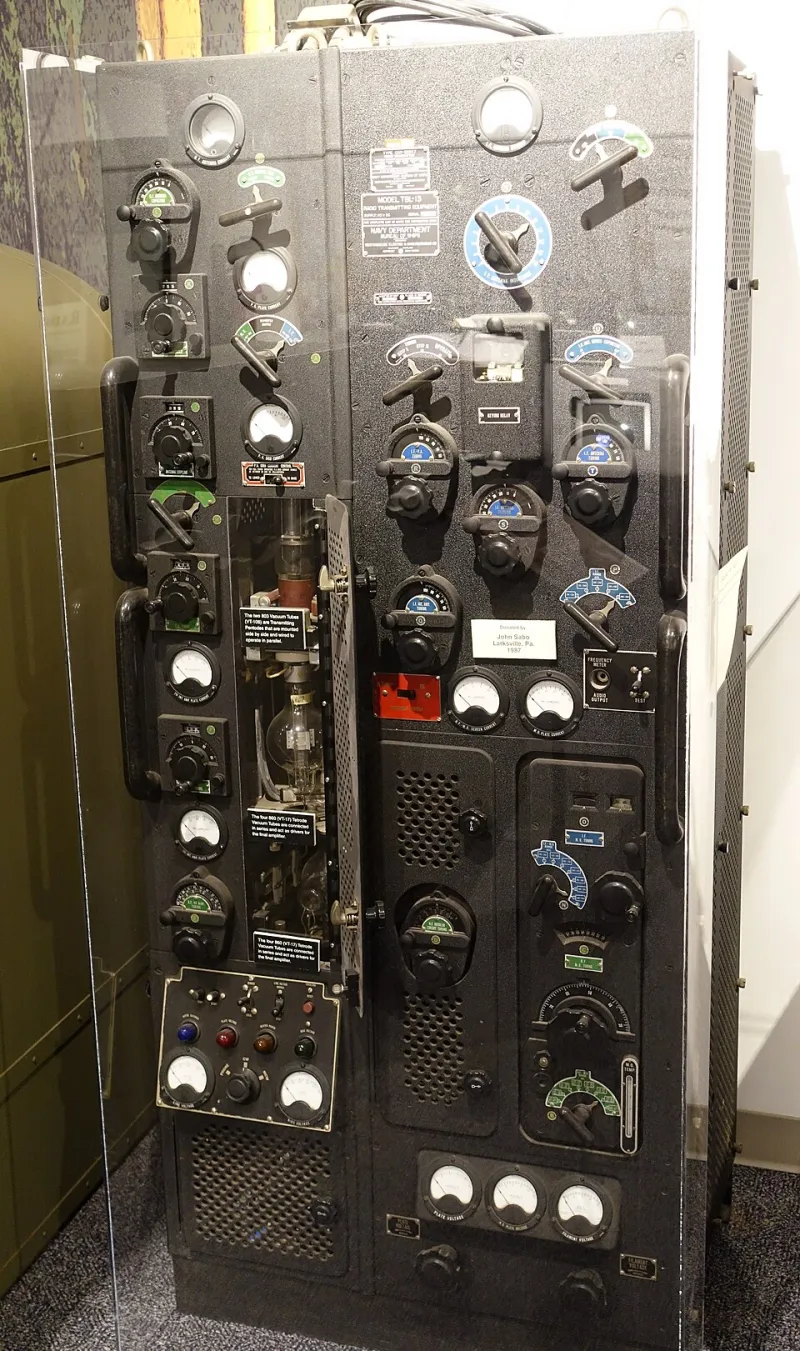
Some of these enthusiasts go further than archival research. They track down the physical equipment — transmitters, antenna arrays, studio consoles — and document it before it gets scrapped. A few have managed to acquire pieces of it outright, turning garages and workshops into informal museums of broadcast infrastructure.
There's an artist in Portland who has built an installation using components from three different defunct Oregon radio stations. It doesn't broadcast anything — it just hums, the way old equipment does when it's powered up but idle. She describes it as a portrait of a frequency that no longer exists.
That feels right, somehow. The signal is gone. But the shape of it — the technical DNA, the equipment choices, the way the transmitter was tuned — that's still recoverable if you know where to look and you care enough to do the work.
Most people don't. These people do. And the weird, patient, slightly obsessive archive they're building might be the only record we have of what those dead channels once carried.