After the Beep: The Quiet Trade in Strangers' Outgoing Voicemail Messages
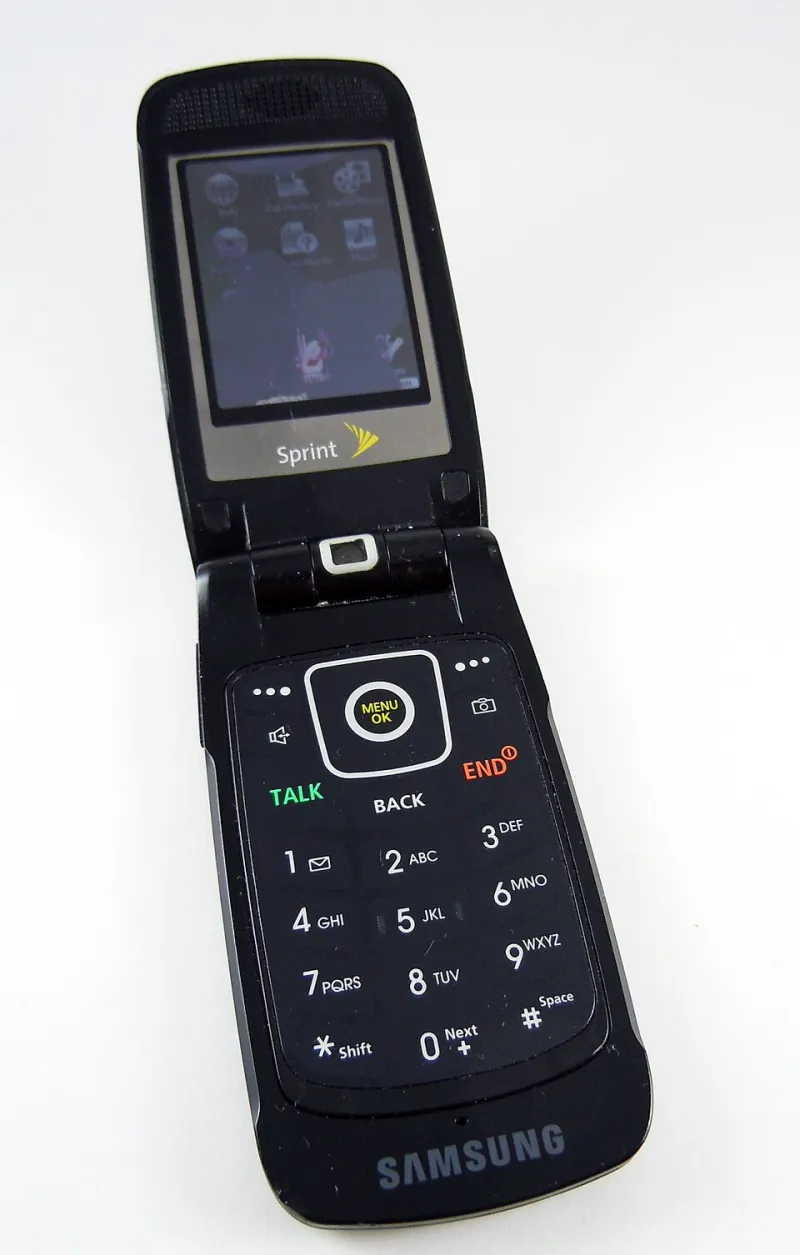
Photo: Joe Loong from Reston, USA, CC BY-SA 2.0, via Wikimedia Commons
You know the one. A friend's number, a click, and then a voice that isn't quite your friend's voice — pitched a little higher, a little brighter, doing a bit. "Hey, you've reached Danny! I'm probably doing something way cooler than answering this, so..." Then the beep, and the small comedown of realizing you have to talk to a machine now.
The outgoing greeting is one of the last genuinely weird rituals left in American phone life. And a small internet subculture has decided it's worth saving, one file at a time.
A Format With No Format
Nobody was ever taught how to record a voicemail greeting. That's the whole charm. Unlike a photo caption or a bio, there was no obvious template, so people invented their own — the rushed apology, the joke that was funnier in their head, the kid's voice in the background that they gave up trying to edit out.
"It's an unproduced audition," says Marisol, who runs a small archive of greetings from friends, coworkers, and the occasional stranger who agreed to be included. "You can hear someone deciding, in real time, how they want to be perceived. And you can hear them fail a little."
The greetings in her collection run from the polished — a radio-voiced cousin who clearly enjoyed the assignment — to the extremely not. One is a seven-second sigh followed by a name and a hang-up. One is entirely in a fake accent. One is a two-year-old saying a single syllable, kept up for eighteen months because the parent couldn't bear to change it.
How the Trade Actually Works
The scene is small, mostly forum-and-Discord shaped, and held together by a shared agreement that this is funny before it's anything else. People trade greetings the way others trade Pokémon cards: by vibe, by category, by the specific pathology on display.
There are sub-collections. The "corporate outgoing message" set, where an entire company's worth of employees were clearly told to record one in the same afternoon and you can hear morale draining across the alphabet. The "grandparent" set, which is mostly people talking slowly and loudly and is universally considered the crown jewel of the hobby. The "someone forgot to re-record after a breakup" set, which is beautiful and should probably be illegal.
The sourcing is where it gets ethically murky, and most collectors know it. Some greetings come from friends who volunteered. Some come from cold-calling strangers, which almost never works. Some come from people who found an old flip phone in a drawer and realized their own teenage greeting was still sitting on it, a tiny time capsule of a person they no longer are.
"I have a rule," Marisol says. "If it would embarrass them, it doesn't go in the archive. If it would delight them, it does. It's not a very scientific rule. It's the only one I've got."
Performance Anxiety, One Beep at a Time
What makes the greetings worth a second listen is how much effort people put into a message almost nobody hears. A greeting is played to callers who, by definition, did not get what they wanted. It's a moment of contact that is also a rejection. And people dress for it. They do voices. They add sound effects. They write a little script and then abandon it halfway through.
There's something almost tender about that. It's the same instinct that makes people curate a playlist for a road trip nobody's taking, or bulletproof a résumé for a job they won't get. We are, as a species, extremely willing to perform for empty rooms.
And there's an anonymity to it that makes the performance looser. You're not talking to a person. You're talking to the idea of a person. Some people take that as permission to be funnier, weirder, or more honest than they'd ever be in a real conversation. One archived greeting in Marisol's collection is a man calmly explaining that he's going through something and will call back when he's able, and it might be the most emotionally direct forty seconds on the entire internet.
The Beep Is Getting Quieter
Here's the reason the archivists are in a hurry. Voicemail is dying. Carriers are sunsetting the feature. People text. Group chats replaced the callback. A whole generation of phone users has never recorded a greeting and never will, because the default is now a robotic voice that does it for you, in a tone of mild institutional apology.
The ritual is going away quietly, without a farewell, which feels appropriate. This was always a format that existed in the gap between attempts to reach someone. When the attempts stopped, the gap closed.
So the collectors keep saving what they can — a friend's joke, a stranger's cough, a mother's reminder to leave a message after the tone. Tiny audio portraits of people who were, for a few seconds, performing the role of being reachable.
If you've still got one on an old phone, go listen to it. It's you, from a while ago, doing a voice. It's a strange signal, and it's yours.