The Words We Put in Other People’s Silences
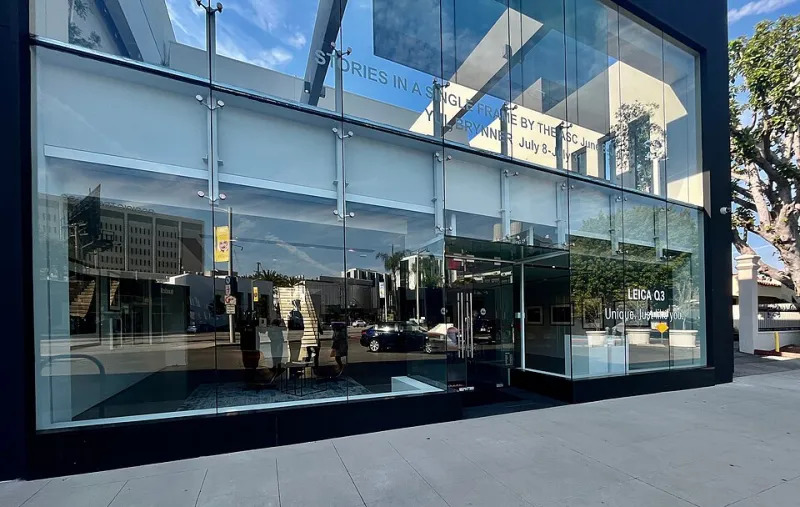
Photo: Benoît Prieur, CC0, via Wikimedia Commons
The first caption I noticed was not attached to a person. It was attached to a parking lot. On screen, a grainy surveillance camera watched an empty row of cars under a sodium light. The subtitle read: I keep thinking someone will come back for the blue sedan. Then it read: No one does.
The screening was part of Unspoken, a monthly series in a small gallery in Los Angeles that pairs silent footage with fictional subtitles written by a rotating crew of captioners, poets, and internet essayists. The footage comes from public-domain archives, old security tapes, ambient nature loops, and films whose intertitles have been lost or removed. The writers invent dialogue that was never there.
The Screen Was Already Talking
At first the series sounds like a stunt. Silent film plus fake subtitles equals a clever joke, right? But the room was quiet in a way that suggested otherwise. The captions changed how I read every frame. A woman walking down a street in a 1920s newsreel became a person with a secret. A blurry figure in the background of a surveillance clip became a witness. The words did not just describe the image. They accused it.
The writers call what they do speculative subtitling. Some captions are one-liners. Some are full exchanges. One piece added a conversation between two office workers in a static security-camera feed from an anonymous hallway. The dialogue was banal — coffee, deadlines, a missing stapler — but the fact that it was invented made every pause feel loaded. Who were these people? Did they consent to being voiced?
Who Gets to Speak
That question hovered over the entire evening. Silent films are already performances. The actors knew they were being watched. The footage is old enough that most of the people in it are gone. Inventing dialogue for them can feel like play, or it can feel like putting words in the mouths of the dead.
Surveillance footage is a different problem. It is usually recorded without consent. The people in it did not agree to be characters. Adding captions can humanize them, but it can also turn them into material. The series tries to address this by using footage that is public domain or heavily abstracted, but the ethical line is not always clear. One writer told me she refuses to caption any clip where a person’s face is identifiable. Another said the whole point is to sit with that discomfort.
The Frame After the Words
What makes the series more than an exercise is the way the captions linger after the image changes. A line of dialogue can make you rewind a scene in your head. It can turn a neutral composition into a crime scene or a love story. It can also make you realize how much you usually rely on words to tell you what to feel.
I kept thinking about the parking lot caption. The blue sedan was never explained. The camera never moved. The subtitle did all the work. It gave the empty space a narrative, and then it took the narrative away. That is the risk of writing into silence: you might make the silence louder.
After the screening, the curator handed out index cards and asked the audience to write their own captions for a ten-second clip of a ceiling fan. Most people wrote jokes. A few wrote something sad. One card said nothing at all. It was, I think, the most honest caption in the room.
The Unspoken series is not trying to solve the ethics of captioning. It is trying to make the questions visible. Every subtitle is a small act of authorship, and every silence is someone else’s. The writers know that. The audience knows that. The parking lot, as far as anyone can tell, does not.